How Do Humpback Whales Use Different Parts of Samaná Bay During the Breeding Season?
Samaná Bay, located on the northeastern coast of the Dominican Republic, is known for its seasonal visits from North Atlantic humpback whales. During the breeding season, these enormous marine mammals use Caribbean waters for important activities associated with reproduction and early calf development.
However, whales do not necessarily spend their entire time in one small area. Their movements can take them through different parts of the wider bay and surrounding coastal waters.
Understanding how humpback whales use these habitats helps researchers investigate their behavior and helps visitors appreciate why responsible whale watching matters. It also highlights an important distinction: an area where whales are frequently seen is not necessarily the only area they use.
1. Why Does Habitat Matter to Humpback Whales?
A habitat is an area where an animal lives or carries out important activities. For humpback whales visiting the Caribbean, the breeding season involves more than simply arriving in warm water.
Whales may engage in courtship, mating, social interactions, resting, and activities associated with mothers caring for their calves. Different areas may provide different conditions for these activities.
Water depth, exposure to waves, local currents, and the surrounding coastal geography can all influence the environment whales encounter.
Researchers study these characteristics to understand whether whales use certain areas more frequently or behave differently under different conditions.
However, scientists must avoid assuming that every part of Samaná Bay serves a separate, clearly defined purpose. Habitat use can overlap, and whale movements may change throughout the season.
2. How Do Coastal and Offshore Waters Differ?
Coastal and offshore waters can differ in depth, exposure, currents, and their relationship to nearby land.
Coastal areas may be influenced by sheltered geography and local water circulation, while more exposed waters can experience different wave conditions and currents.
These differences may affect how whales move through the region and how easily people can observe them.
Yet it is important not to assume that humpback whales always prefer sheltered coastal water or that they use offshore water for one specific activity. Their distribution depends on local conditions and individual behavior.
Researchers need observations collected across different locations before they can determine whether particular environmental features are consistently associated with whale presence.
3. Do Mother-and-Calf Pairs Use Different Areas?
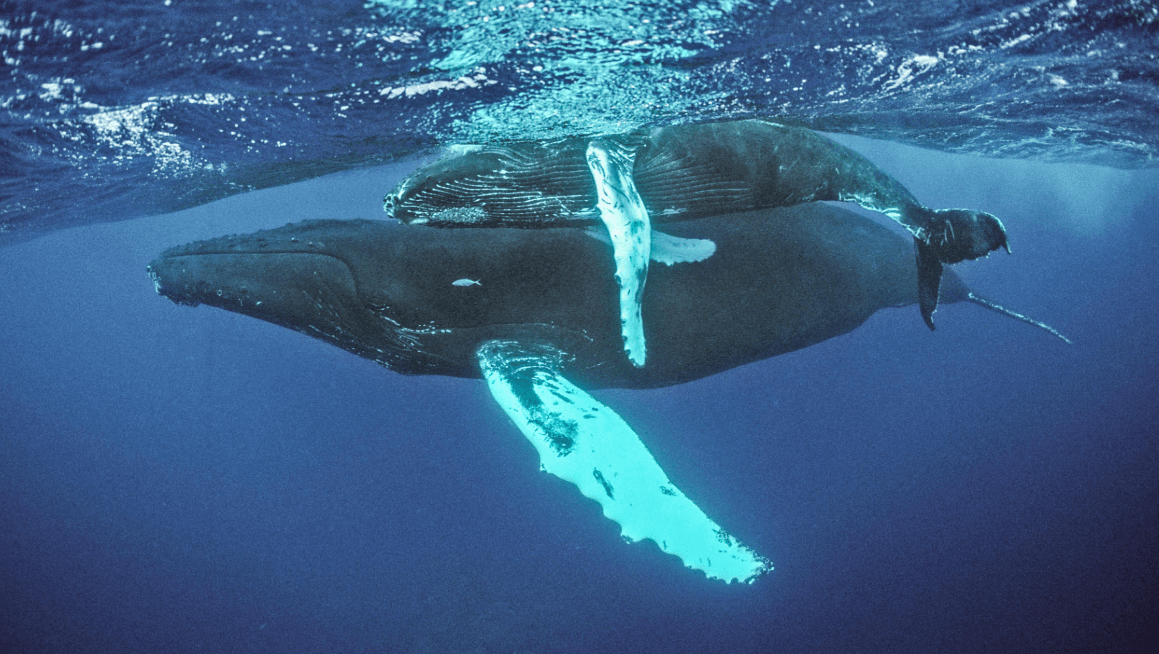
Mother-and-calf pairs are an important part of the humpback whale breeding season.
Young calves depend on their mothers for milk and protection. Their movements occur within the broader environment used by the adults, and researchers can document where pairs are observed.
Scientists may investigate whether mother-and-calf pairs are encountered in different locations from other groups, but this requires systematic observations rather than isolated sightings.
A mother and calf seen in one part of the bay may later move elsewhere. One encounter cannot establish that the location is exclusively used by mothers and calves.
Understanding their movements can nevertheless help researchers identify habitats that deserve attention when planning conservation measures.
4. How Do Courtship and Social Activities Influence Habitat Use?
During the breeding season, humpback whales may engage in social interactions and courtship behavior.
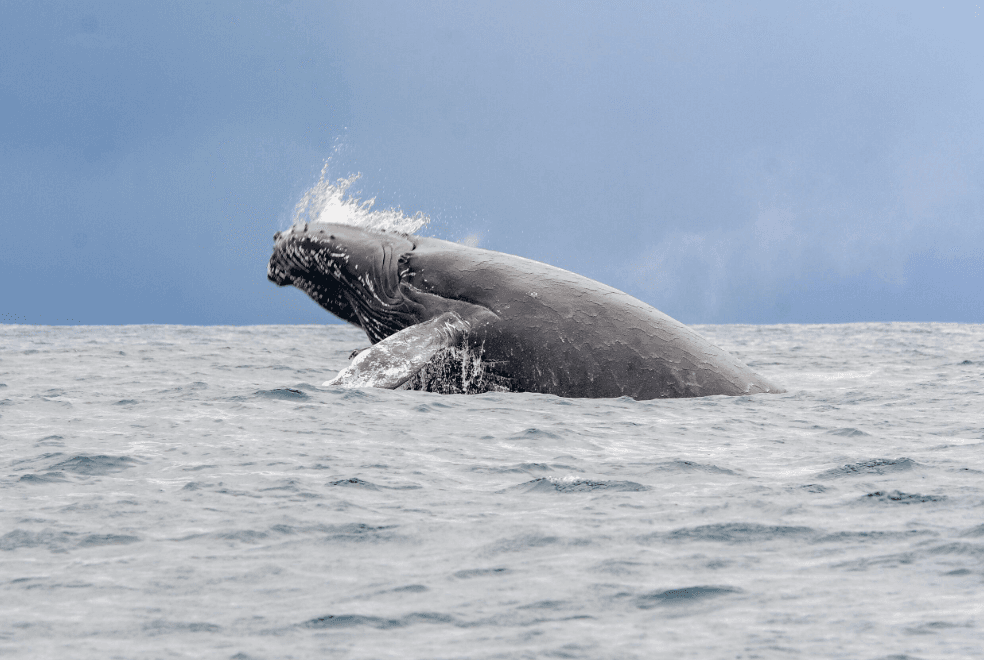
Observers sometimes encounter groups of whales traveling together or displaying active surface behavior. Such observations can help researchers investigate how animals interact and how their movements change over time.
However, not every group has a known social structure, and researchers cannot always determine the purpose of a particular interaction from a brief sighting.
A group observed in one area may separate, change direction, or move to another part of the bay.
Recording the locations, timing, and behavior of encounters helps scientists build a more complete picture of how whales use the region.
5. Does Water Depth Affect Where Humpback Whales Travel?
Water depth is one of several environmental factors researchers may examine when studying whale distribution.
The depth of the seafloor can affect underwater habitat characteristics and the physical environment through which whales move. Coastal geography and the shape of the seabed may also influence local water circulation.
Scientists can compare whale sightings with bathymetric maps, which show underwater depth, to investigate possible relationships between whale presence and seafloor features.
However, a correlation between whale sightings and a particular depth does not automatically prove that depth determines where whales go.
Whales move through three-dimensional underwater environments, and surface sightings provide only partial information about their positions and activities.
Careful analysis is needed to distinguish meaningful habitat associations from patterns that arise by chance or from differences in observation effort.
6. How Do Researchers Map Whale Distribution?
Researchers can use several complementary methods to investigate where humpback whales spend time.
Geographic sighting records
Recording the location of each encounter helps researchers map where whales have been observed. Repeated records can reveal areas with frequent sightings.
Photo identification
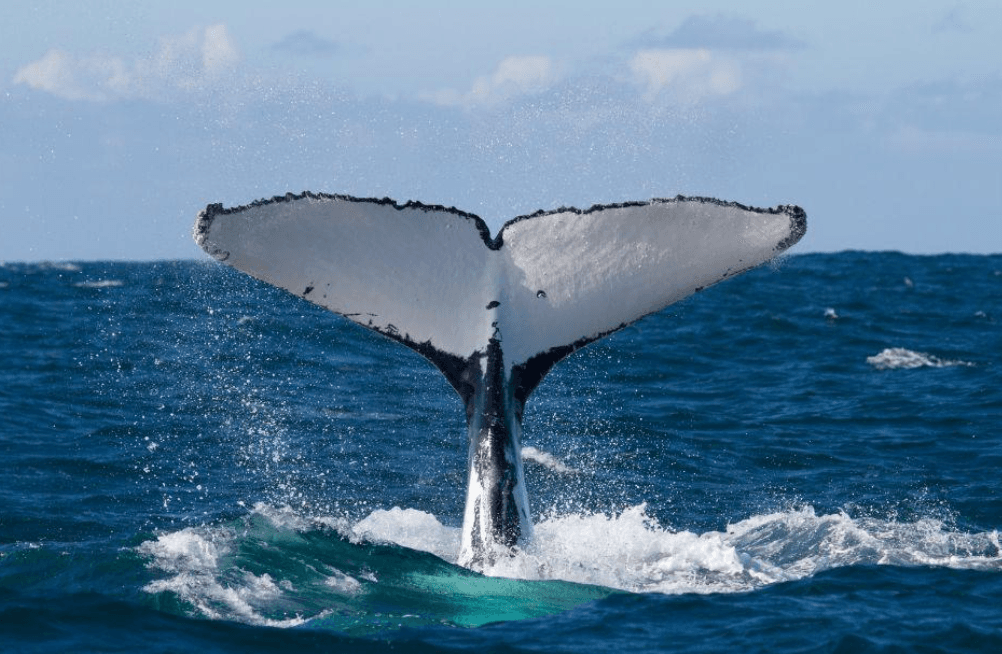
Photographs of distinctive tail-fluke patterns can help researchers recognize individual whales. When reliable matches are available, researchers can compare the locations where the same animal has been observed.
Satellite tracking
Suitable research tags can provide information about an individual whale's movements over time. Tracking data may reveal travel patterns that cannot be reconstructed from occasional surface sightings alone.
Environmental mapping
Researchers may compare whale locations with water depth, currents, coastal features, and other environmental measurements.
Each method has limitations. A map of sightings shows where observers detected whales, not necessarily every place the animals used. Combining several sources of evidence can provide a more reliable understanding of habitat use.
7. Why Might Whale Sightings Concentrate in Certain Areas?
Visitors may notice that boats encounter whales more frequently in one area than another. Several explanations are possible.
Whales may genuinely spend more time in certain locations. Alternatively, boat routes, observation effort, sea conditions, and visibility may make some areas easier to survey.
For example, a route traveled by many tour boats may produce more recorded sightings than an area visited less often, even if the difference in actual whale presence is smaller than the records suggest.
Researchers must therefore account for how observations were collected before identifying important habitat areas.
A concentration of sightings can be useful evidence, but it should not automatically be interpreted as proof that whales avoid the surrounding waters.
8. How Can Habitat Research Support Whale Conservation?
Understanding whale distribution can help researchers and conservation managers identify areas that may be important for breeding-season activities.
When reliable evidence shows that whales regularly use a particular habitat, that information can inform decisions about monitoring, vessel management, and responsible tourism practices.
Conservation planning also needs to consider that whales move beyond individual observation sites. Protecting one frequently visited area cannot replace attention to the wider marine environment.
For visitors to Samaná, practical steps include following vessel instructions, respecting applicable whale-watching regulations, avoiding attempts to touch or feed whales, and choosing operators that prioritize responsible wildlife viewing.
These practices help minimize disturbance while allowing people to appreciate the animals in their natural environment.
9. What Can Visitors Learn From Seeing Whales in Different Areas?
Whale watching provides a glimpse into a much larger marine landscape.
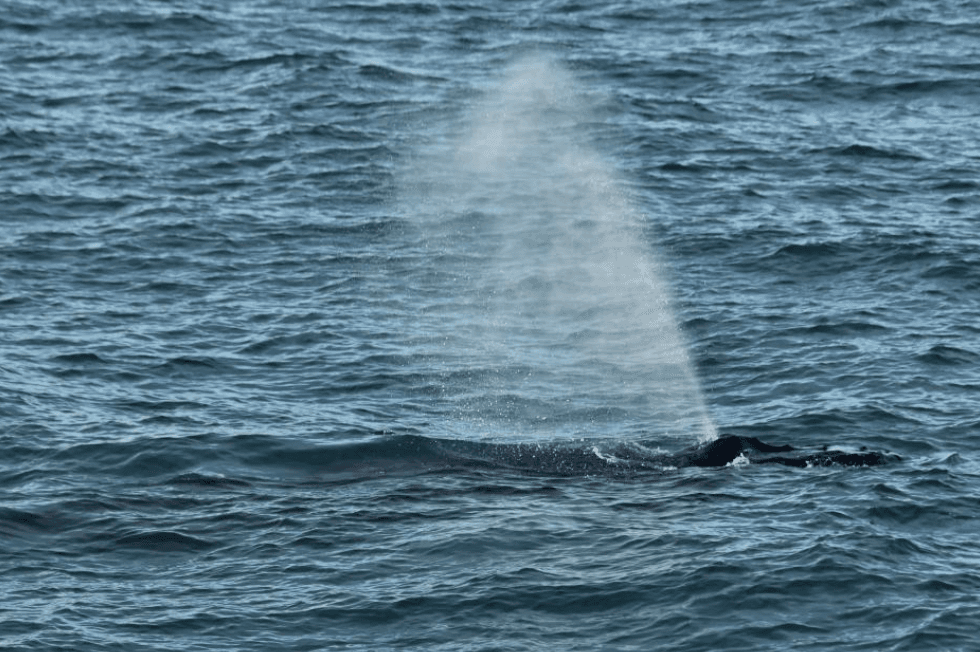
A whale surfacing near a tour boat is only one visible moment in its day. The animal may have traveled through other parts of the bay, spent time underwater, or interacted with other whales before the encounter.
Visitors should also remember that surface sightings do not reveal everything happening beneath the water.
Observing whales in different locations can inspire questions about their movements, social interactions, and habitat preferences. Scientific research is what helps turn those observations into reliable conclusions.
Every responsible encounter offers an opportunity to learn without assuming that one sighting explains the animal's entire behavior.
Frequently Asked Questions
Where do humpback whales spend time in Samaná Bay?
Humpback whales use the wider Samaná region during the breeding season. Their exact distribution varies, and the locations of individual sightings do not establish the full range of habitats they use.
Do humpback whales prefer shallow or deep water?
Their use of water depths depends on several factors, including local habitat conditions and behavior. A general preference for one depth cannot be assumed without suitable research evidence.
Do mother-and-calf pairs stay in one part of the bay?
Not necessarily. Mothers and calves can move between locations, and researchers need repeated observations to understand their movements.
How do scientists identify important whale habitats?
They combine geographic sighting records, photo identification, tracking data, and environmental information to investigate where whales occur and how they use different areas.
Why might one location have more whale sightings than another?
It may have greater whale activity, but observation effort, boat routes, weather, and visibility can also affect the number of recorded encounters.
Does responsible whale watching help protect whale habitats?
Responsible viewing practices help reduce avoidable disturbance. Following local regulations and maintaining appropriate distances are important parts of protecting whales in their natural environment.
Conclusion
Humpback whales visiting Samaná Bay use a wider marine environment than any single whale-watching encounter can reveal. Coastal geography, water depth, currents, social interactions, and individual movements are among the factors researchers may investigate when studying their distribution.
By combining sighting records, photographs, tracking data, and environmental maps, scientists can develop a better understanding of how whales use different parts of the region.
This research can support habitat conservation and responsible whale-watching practices. For visitors, it offers a reminder that Samaná Bay is not simply a place to spot whales at the surface, but part of a larger marine environment that deserves careful observation and protection.

Local explorer & expert guide in Tours Miches.